- Homepage
- Conflicts of Interest
- Political Parties
- Integrity
- Lobbying
- Whistleblowers
- Analysis of regulations
- Int. Cooperation
- FAI
- Council of the Agency
- About Us
- Library
- Public Records
- List of Public Functions
- Services
- Contact
- Work reports


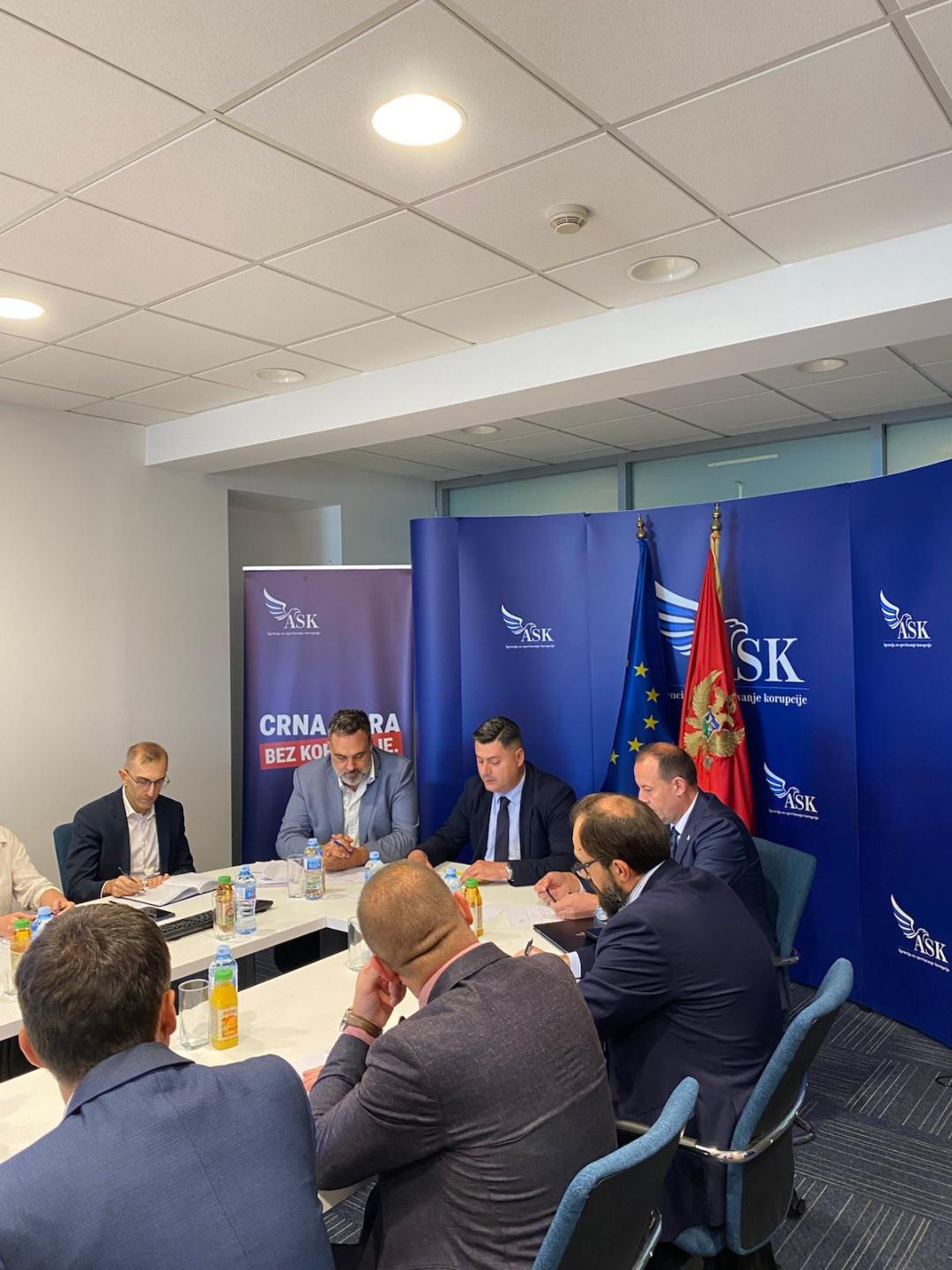
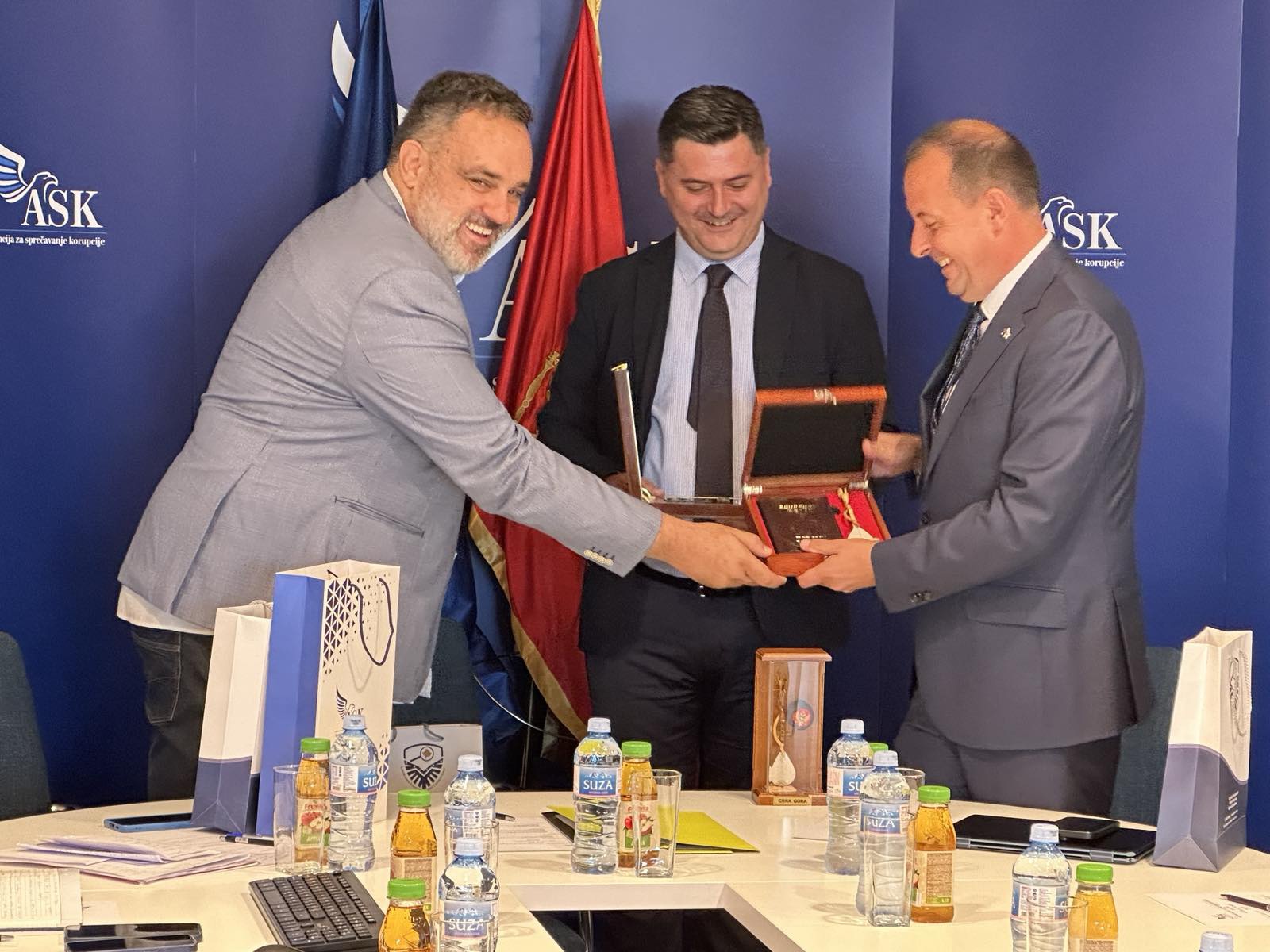
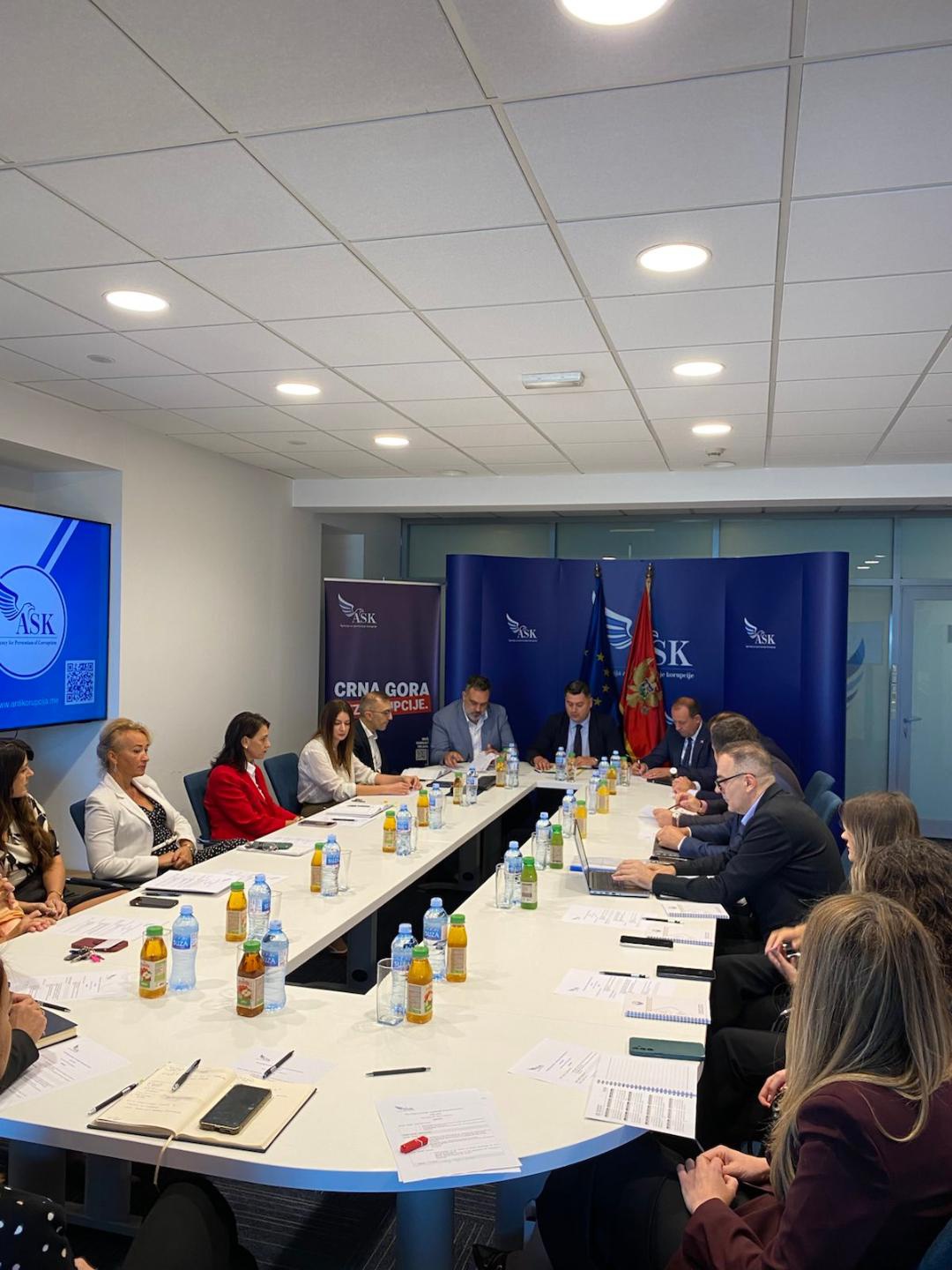
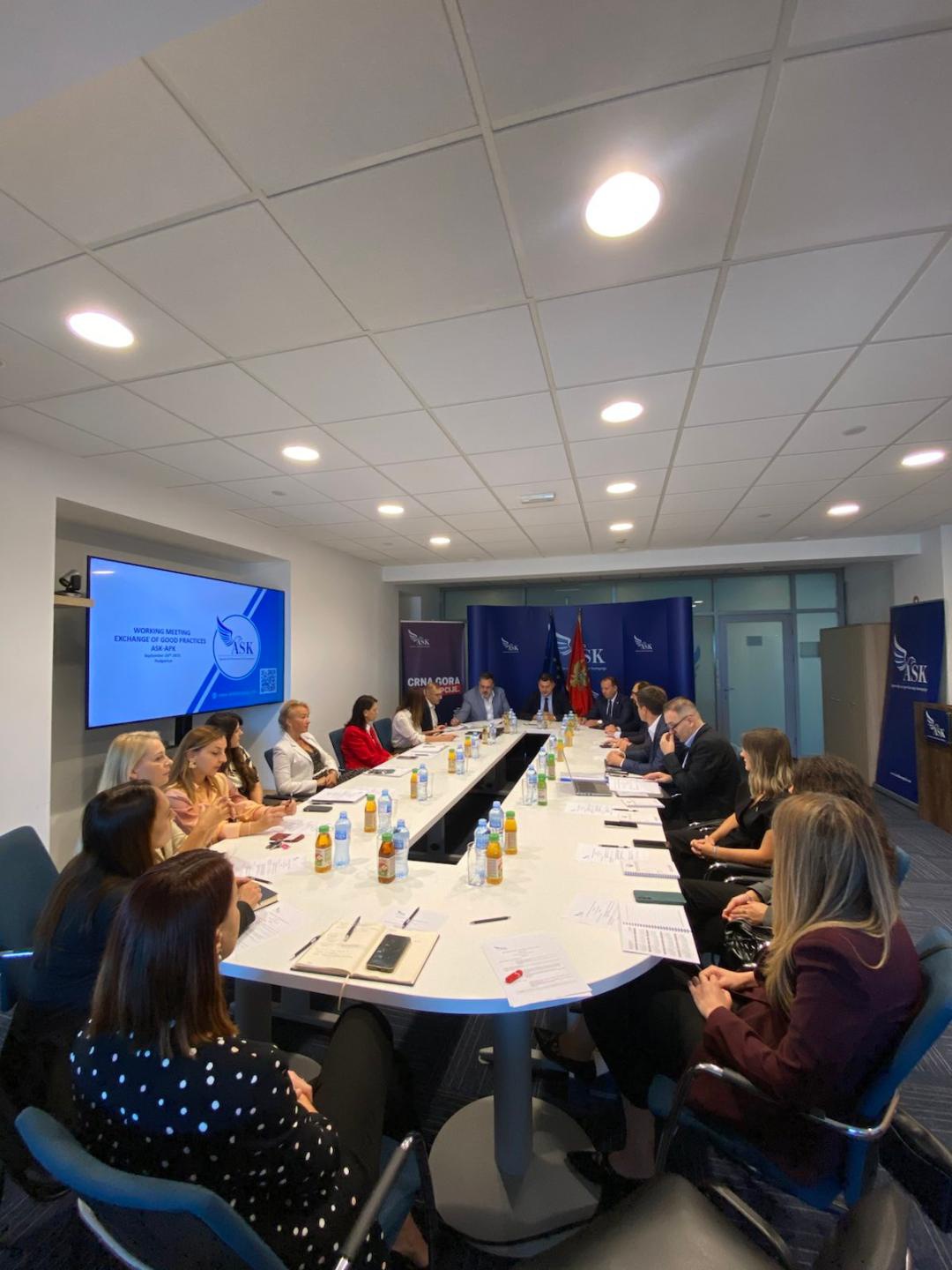
Representatives of the Agency for Prevention of Corruption of Kosovo conducted an official visit to the Montenegrin Agency for the Prevention of Corruption, where they exchanged experiences with their colleagues regarding the implementation of modern systems and methodologies for the prevention and suppression of corruption.
During meetings between the management and staff of both institutions, emphasis was placed on innovative tools, methodologies, and best practices that enhance transparency and strengthen the integrity of public administration.
The President of the Council of the Montenegrin Agency, Pavle Ćupić, highlighted that continuous regional cooperation is key to building institutional capacity and developing effective prevention mechanisms:
“When we share solutions and learn from one another, we build resilient systems faster, systems where procedures, not individuals, guarantee results.”
The Director of the Kosovo Agency, Yll Buleshkaj, emphasized that partnership and knowledge exchange directly contribute to greater transparency and accountability in the public sector:
“Our experiences in process digitalization and risk assessment gain full meaning only when we compare and improve them through regional cooperation.”
Particular attention was given to the experiences of the Kosovo Agency in implementing the Council of Europe’s Methodology for Assessing Corruption Risks at the National Level, as well as to the presentation of a digital platform that enables citizens to anonymously report cases of corruption and violations of the public interest. The platform provides strong whistleblower protection and allows tracking of case progress. Such solutions contribute to increasing citizens’ trust in institutions and ensure faster handling of reports.
The Montenegrin Agency presented its Methodology for Assessing the Implementation of Anti-Corruption Measures, developed in cooperation with the United Nations Development Programme (UNDP). This methodology improves the effectiveness of integrity plans and encourages public authorities to proactively plan and implement preventive measures. It has been applied so far in state administration, social and child protection, the judiciary, and local government, and is currently being implemented in the healthcare sector.
The visit confirmed that regional cooperation is an irreplaceable foundation for building stronger anti-corruption tools, strengthening citizens’ trust, and improving the integrity of the public sector. Both institutions expressed readiness to continue data exchange, joint training programs, and the development of digital solutions that will contribute to faster detection and prevention of corruption patterns.