- Homepage
- Conflicts of Interest
- Political Parties
- Integrity
- Lobbying
- Whistleblowers
- Analysis of regulations
- Int. Cooperation
- FAI
- Council of the Agency
- About Us
- Library
- Public Records
- List of Public Functions
- Services
- Contact
- Work reports


Political Will Transformed into Reforms
In his opening remarks, the Acting Director of the Agency for Prevention of Corruption, Dušan Drakić, emphasized that the reform of legislation in the field of anti-corruption is not a technical adjustment, but a reflection of political will and institutional maturity.
“Transparency, accountability, and equality before the law are the fundamental prerequisites for the legitimacy of the electoral process. The law must be equal for everyone — and this must be evident in practice, not just in declarations,” Drakić stated. He particularly highlighted the importance of amendments to the Law on Financing of Political Entities and Election Campaigns, which, together with improved interinstitutional cooperation, have created the conditions for a stronger institutional response to increasingly complex forms of abuse.
What Does the Reform Tell Us?
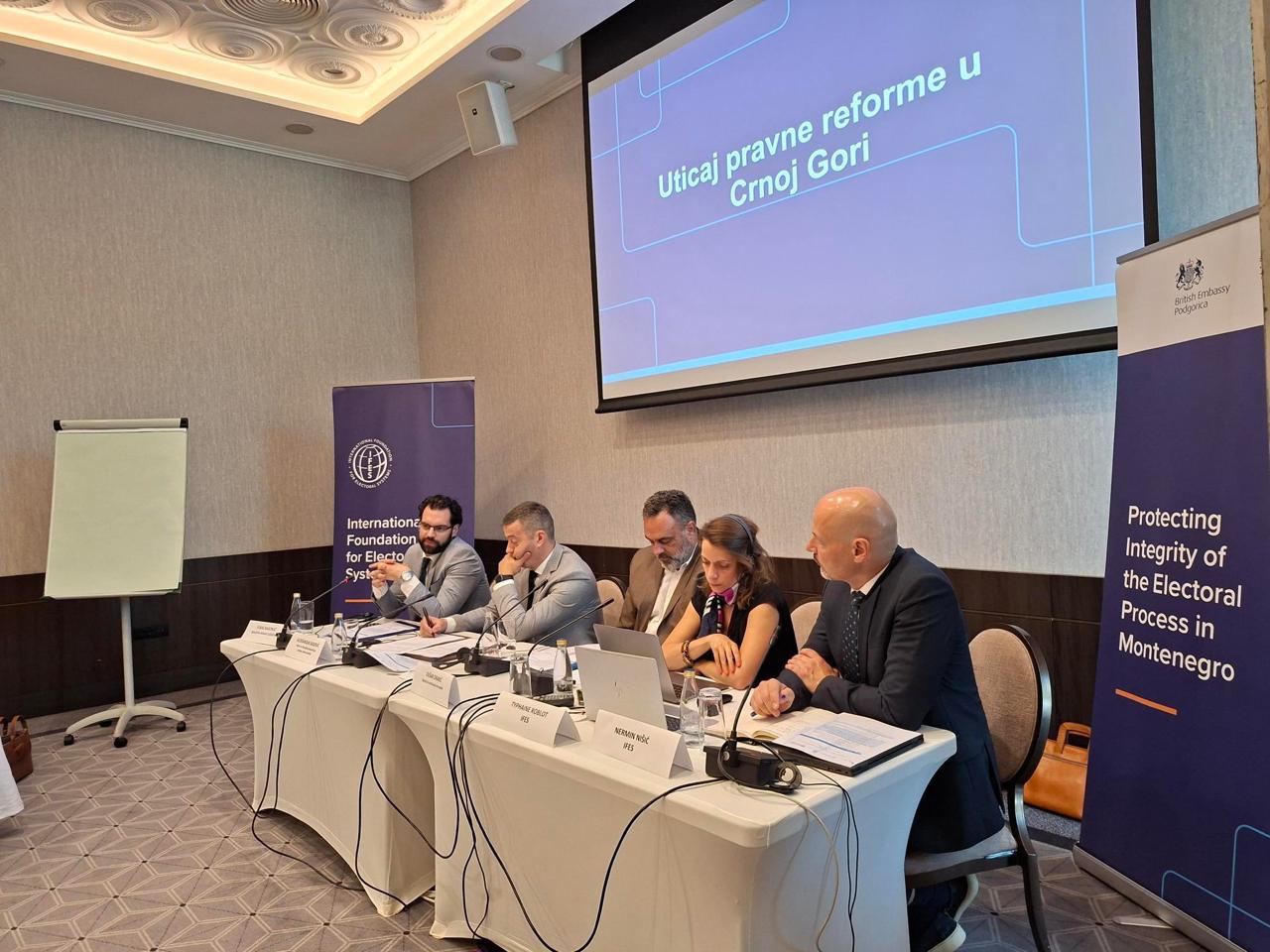
During the thematic panel dedicated to the impact of legal reform, Drakić presented the Agency’s views based on its direct experience in overseeing political financing.
According to him, the reform has clearly shown that:
“Only through a synchronized approach by prosecution offices, audit institutions, and financial-intelligence services we can prevent and prosecute abuses. That is why the Agency has been intensifying cooperation with all key actors for months,” he emphasized.
Drakić reminded that the Agency operates with limited human resources, but investments in knowledge, analytics, and IT tools are indispensable for effective oversight.
“No legal provision will have an effect without people, technology, and trust among institutions,” he noted.
In his closing remarks, Drakić summarized the three key messages of the event:
“Institutions do not exist to be comfortable, but to be useful. It is our duty to transform reform energy into concrete results, impartially and professionally,” Drakić concluded, thanking the organizers — IFES, prosecution offices, and international partners — for their trust and cooperation.
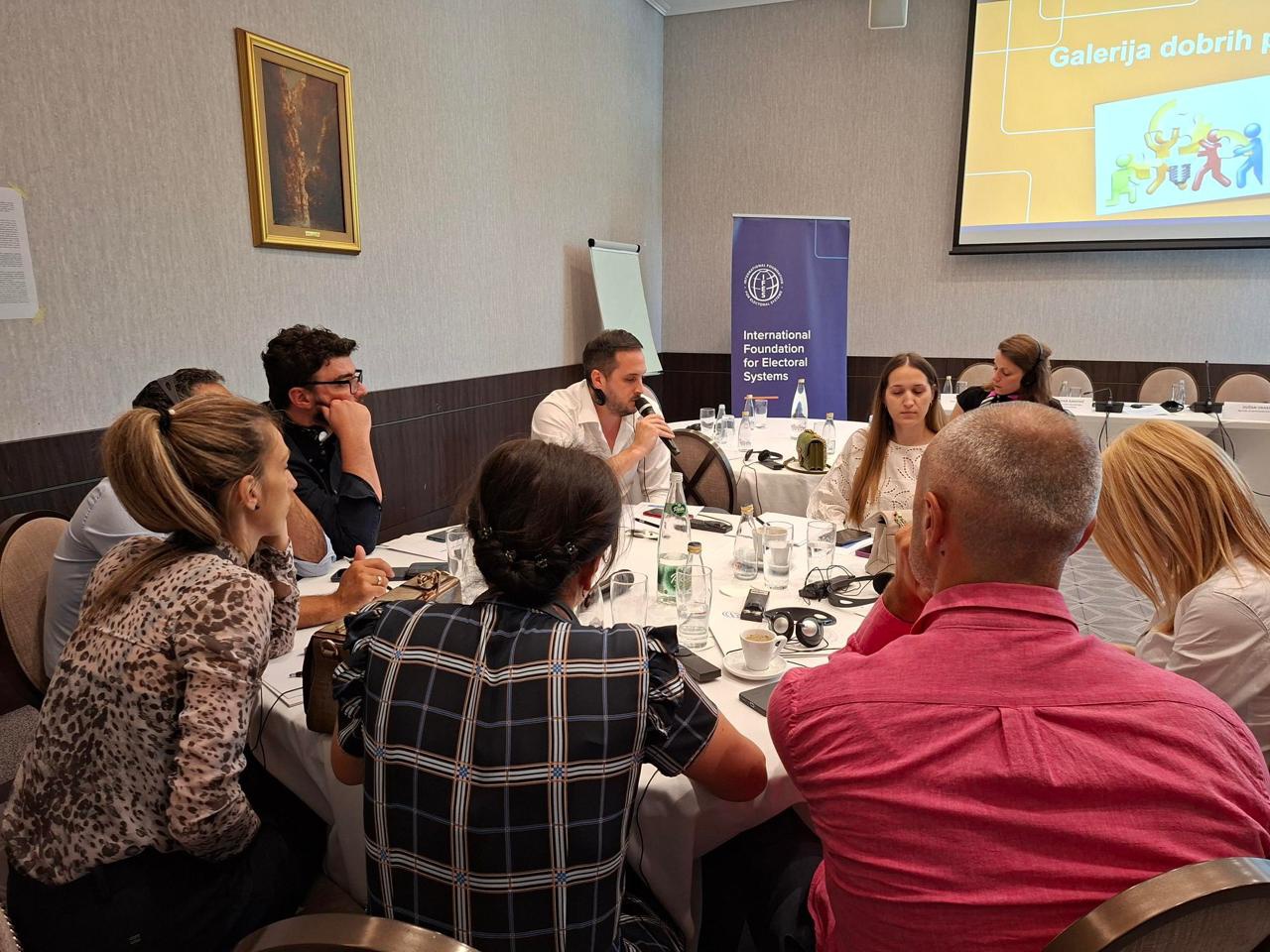
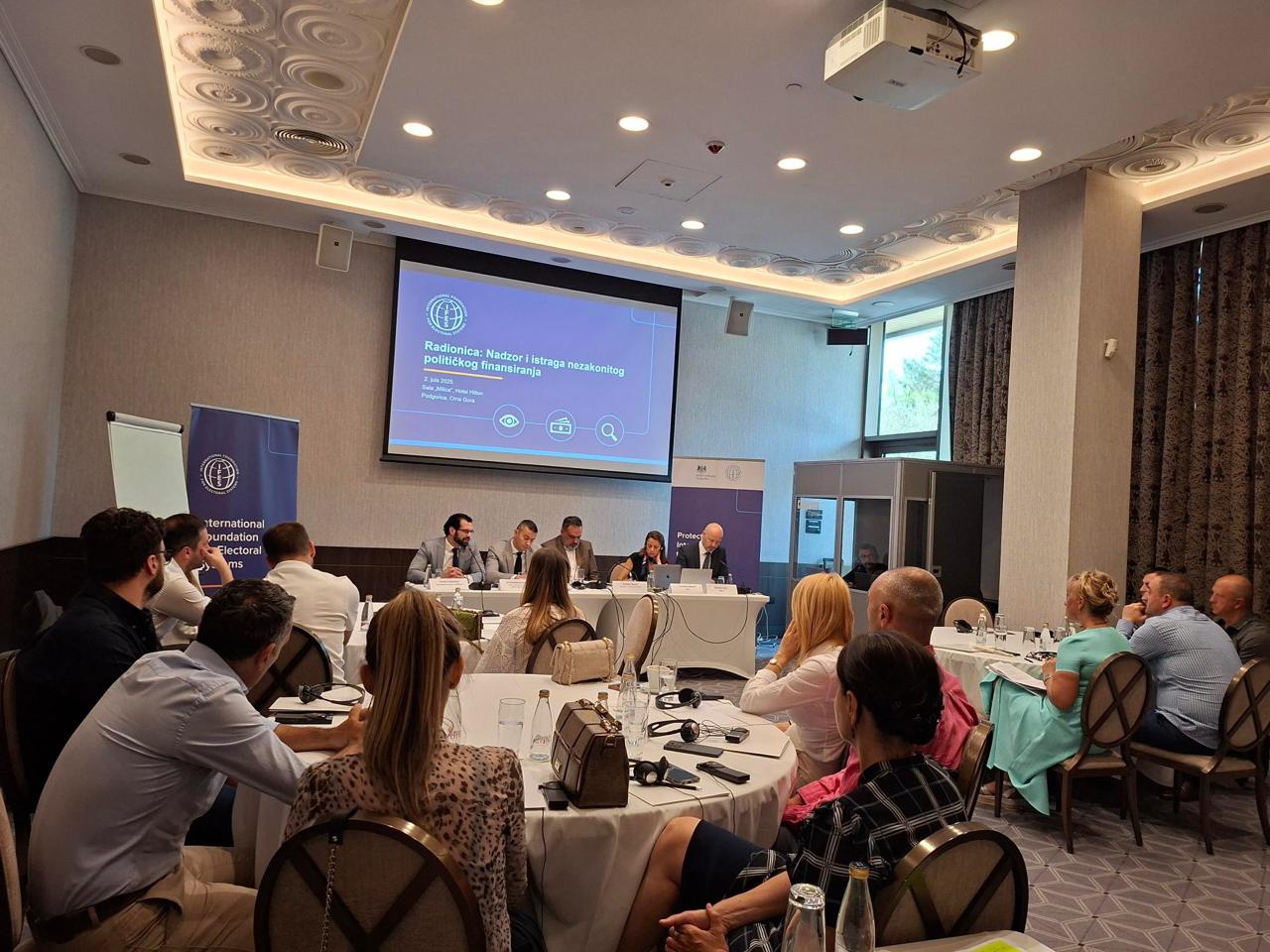
The workshop was organized as part of the IFES project “Protecting the Integrity of the Electoral Process in Montenegro,” financially supported by the UK International Development Agency through the British Embassy in Podgorica.